PORCINE CIRCO VIRUS
Porcine circovirus-associated disease (PCVAD) is caused by PCV2, a small circular single-stranded DNA virus of the Circoviridae family; in growing pigs, PCV2 is linked to systemic illness, enteritis, pneumonia, and PDNS, with subclinical infections reducing weight gain via immune effects.
How to Diagnose
-
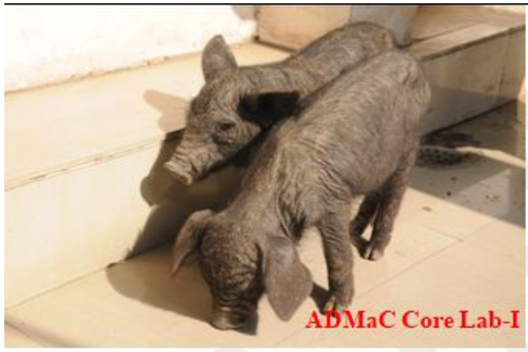
Extremely emaciated body condition and stunted growth.
-
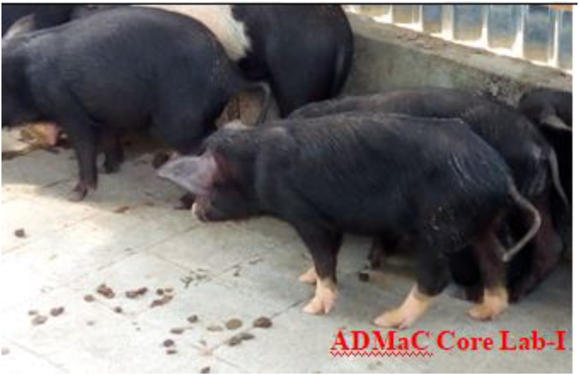
Affected piglets lose appetite and develop diarrhea.
-
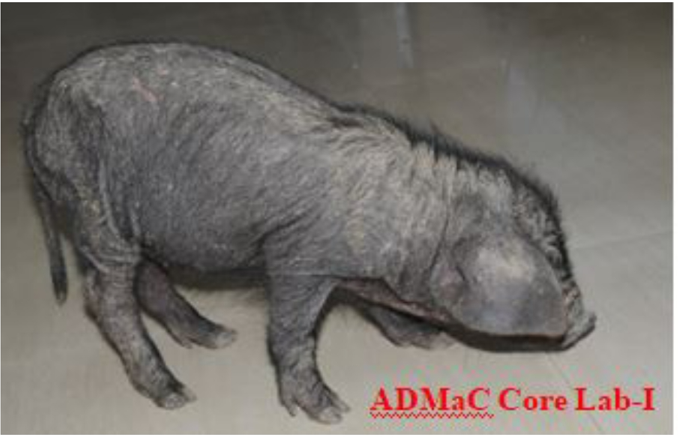
Rough hair coat with folding skin.
-
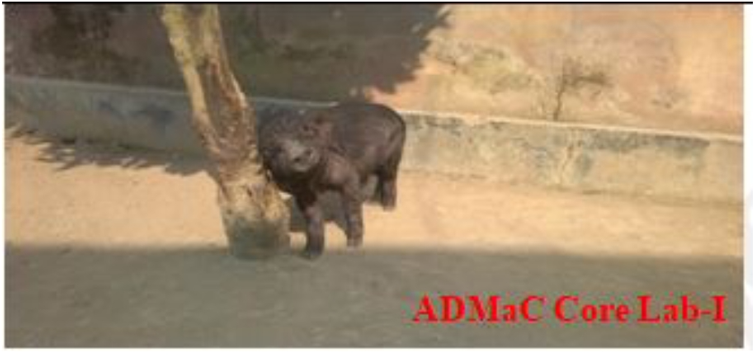
Weaner piglets mainly affected; lethargy, reluctance to move, and malaise.
-
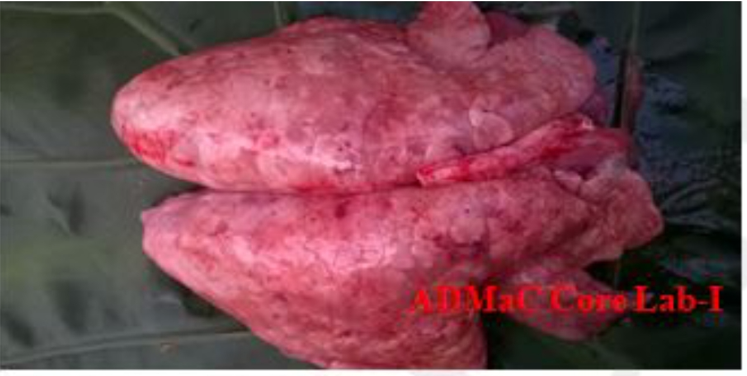
Severely congested and pneumonic lung.
-
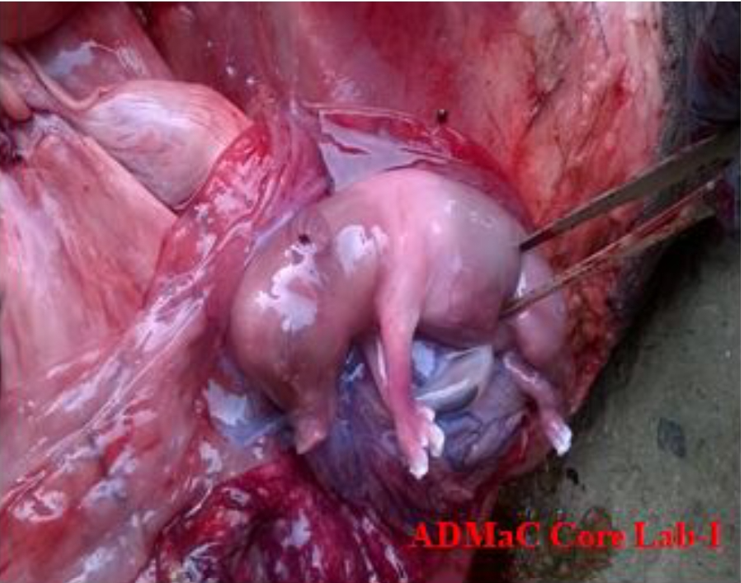
Swine circovirus may also be associated with abortion in pregnant sows.
Type of Samples
From ailing pigs: serum and blood. In dead pigs: tissue samples like tonsil, lymph node, spleen, and lung tissue.
Laboratory Tests
- Serological test – ELISA.
- PCR.
Whom To Contact
1) Local Veterinarian Officer / Field Assistant.
2) NERDDL, AH & Vety Khanapara, ADMaC Core Lab, AAU.
a) Dr. N. N. Barman
Email: nnbarman@gmail.com
Mob: 09435558788
b) Dr. Abhijit Deka
Email: docabhijit93@gmail.com
Mob: 09864531247
What will you do
- Lock the farm and do not allow pigs to move in and out.
- Separate the affected ones from the healthy.
- Remove affected stock.
- Inform the nearest Veterinary Doctor / Field Assistant.
- Send appropriate samples via Veterinary Doctor / Field Assistant to the nearest diagnostic laboratory / ADMaC Core Lab-I, Khanapara for diagnosis.
- Bury dead pigs in a 5–6 ft deep pit with sufficient common salt/lime or washing soda.
- Spray regularly with 4% washing soda or 4% phenol in the surroundings and pig house floor.
- Commercial vaccine for Circovirus can be used.